Best friends both diagnosed with early-onset dementia within months
Images by Rob Browne
First published on 29/12/23
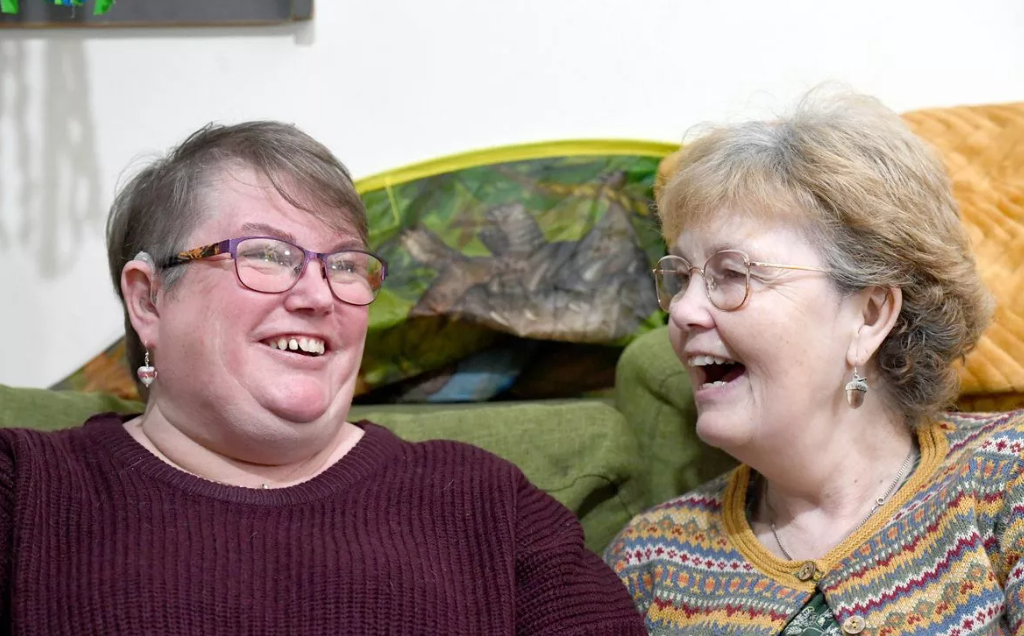
Best friends Amanda Quinn and Karen Kitch have known each other for 20 years and say they have experienced similarities in their lives that have been uncanny. But one thing they never expected to live through at the same time was early-onset dementia.
They have had to come to terms with life after their shock diagnoses and try to move forward as much as possible. Karen was diagnosed with rapidly progressive Alzheimer's disease aged 51 in 2014 and just one year later Amanda was diagnosed with the same disease aged 49.
The news came as a complete shock to them both and they have had to adjust to a new way of life. Amanda, from Treorchy, and Karen, from Llanharan, described the complexities that came with being told they had the disease at such a young age. They have had to come to terms with the rest of society’s understanding of the condition, the unexpected symptoms that have come alongside the disease, and knowing ultimately that they may die sooner than other people.
During their journeys one thing that has remained constant is their friendship with each other and the joy it has brought them. They met 20 years ago, when their daughters were at school together, and the pair became inseparable.
The pair have a lot in common with Karen even referring to Amanda as her "lost twin" as there was an issue with her mother's pregnancy and her own twin actually died before they were born. They were even diagnosed with the same blood disorder and have experienced other similarities in their family lives.
Discussing how she reacted individually to her diagnosis Amanda recalled feeling "extremely shocked." Her son has Asperger’s and it was his social worker who first noticed that something wasn’t right.
Amanda, who used to work as a cook, said: "She kept saying that I should really see a doctor but I thought: 'I'm not bothering – there's nothing wrong with me." Eventually she arranged to see the doctor about an ear problem but at the start of the appointment she couldn’t remember why she was there.
She was referred for memory tests, which she thought would be a waste of time. Those tests, along with scans and blood tests, then led to a dementia diagnosis.
After hearing the news Amanda said: "It really knocked me sideways. And not having a lot of information was hard." As part of living with the disease she has been affected by other symptoms she never expected.
She said: "As far as I knew all that was going to happen was that I would lose my memory. I had no idea about incontinence, or that I'd lose my sense of perception, or my sense of danger – all of this was a huge shock. All I did was cry and because of the drugs I was taking I was sleeping a lot until they got into my system."
Read this piece here.