Exactly why climate change means flooding in Wales is going to happen more often
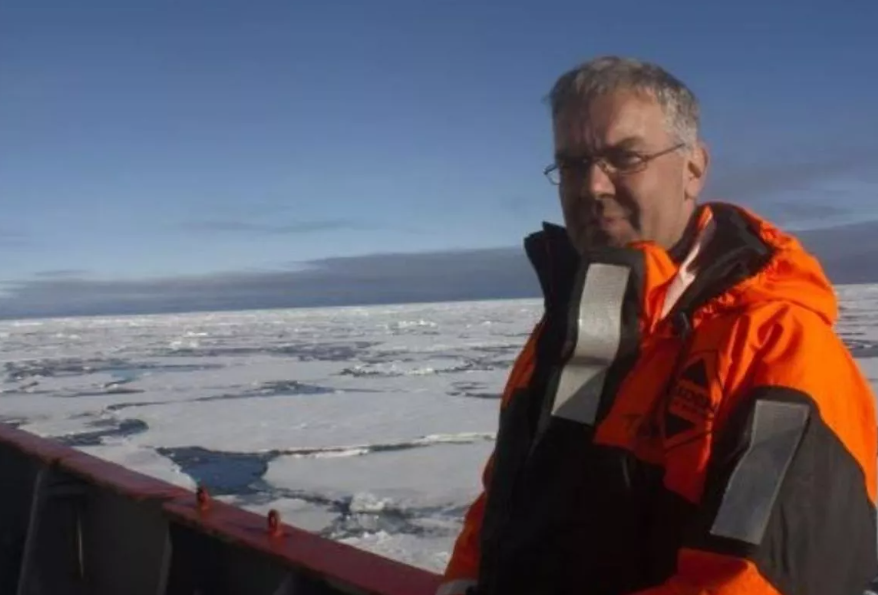
Image courtesy of Tom Rippeth
First published on 15/01/23
The deluge of rain which has seen Wales swamped by floods might be subsiding, but the threat of what it means for our climate remains unchanged. While experts can’t say for certain that the floods were caused by global warming alone, it is consistent with the risks that come with it. Although Wales, like the rest of the world has always experienced extreme weather events, the problem with climate change is that it means they will become more frequent.
It comes amid rising sea levels, and a terrifying change in the globe’s temperature as a whole. Tom Rippeth is a professor of physical oceanography at Bangor University and has been involved in climate science since studying for a physics and meteorology degree in 1984. He said: “These events are becoming more frequent and by definition we're going to get extreme ones more often.”
The amount of rainfall we receive is determined by two factors, according to the Met Office; how warm the air is, and the movement of weather patterns all across the world. So when it comes to climate change, it can all be interconnected.
Mr Rippeth noted: “You get floods because there’s a lot of moisture in the air and it falls out, and basically the river system can’t deal with it. So that gives you what they call fluvial flooding, and obviously you get floods linked to the sea - so coastal inundation. "Now, those type of floods are impacted by climate change because sea levels are rising. The things that we know for certain because of climate change are that the temperatures of the atmosphere and the ocean has warmed, and is higher than it was however many years you want to go back for.
"That warming has occurred is constant with the rise in greenhouse gases, and is totally consistent. We can monitor what these changes are. But it is all relevant because the other thing that is happening is that ice is melting.
"In the Arctic it would have been totally encrusted with ice around 30 years ago, but also the big concerns are land-based ice. We've got a big slab of ice on Greenland and Antarctica and we can see that that's melting rapidly.”
Read the full piece here.