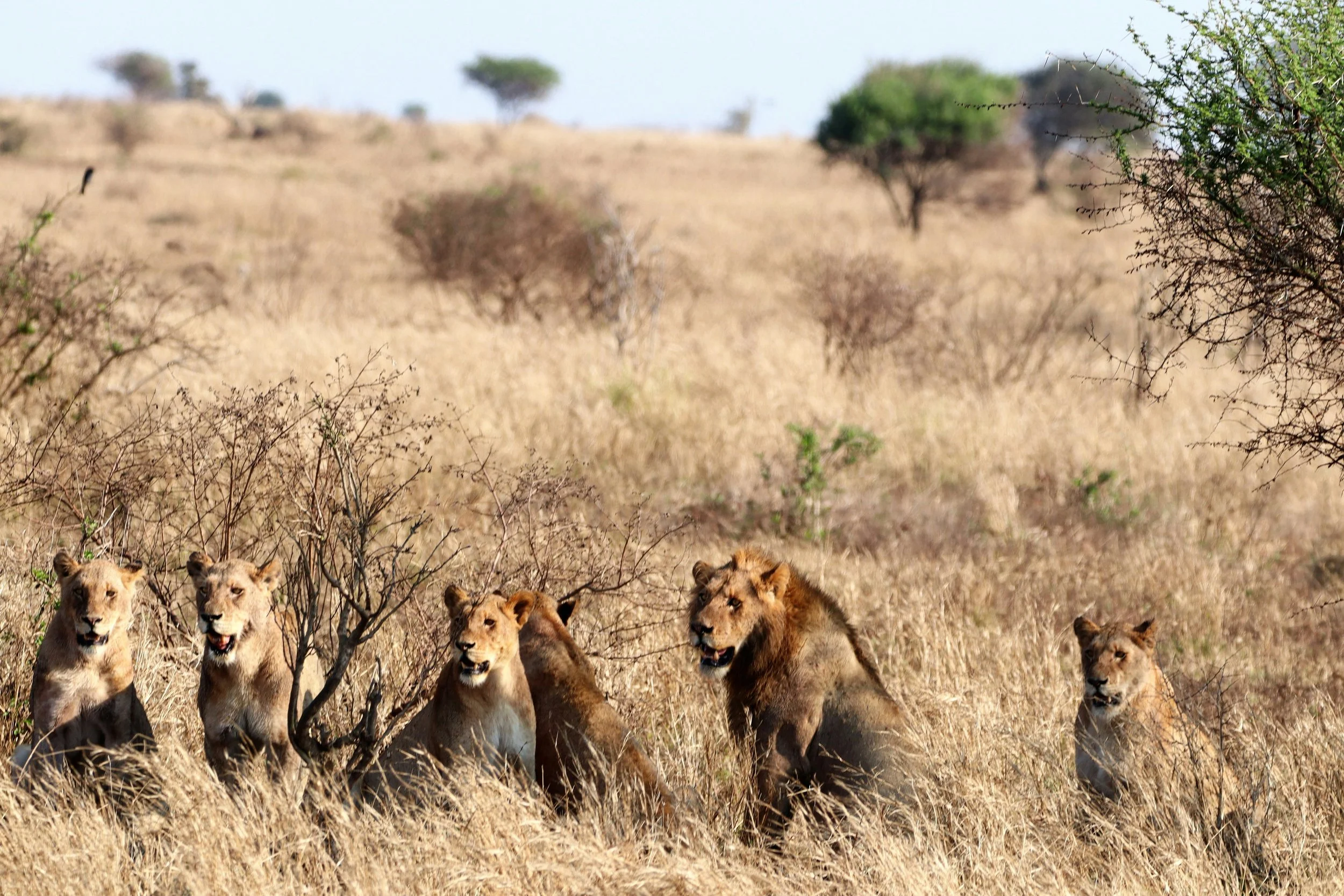
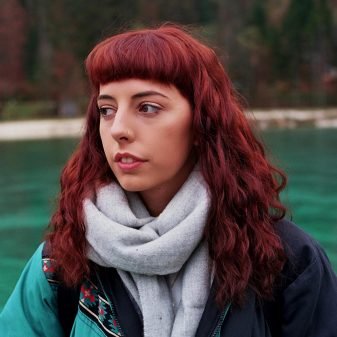
For lots of people, booking onto a volunteering programme to help animals is at the top of their bucket list if they are travelling abroad, but as animal lover and activist Beth Jennings found out, some programmes may not have as many positive outcomes as they might first seem. At 21, Beth fell upon a programme based in South Africa promoting the opportunity to live with lions and raise them from being cubs. She acknowledged that that this was a common thought in travellers, and volunteering is partnered with the best intentions to promote animal activism.
But when she arrived in South Africa, she realised that the ethics that existed behind the voluntary programmes were rarely humane, and many voluntary experiences; including parks and hands-on interactions and lion walks often contribute to the exploitation of lions and canned hunting.
She said: “I thought at the time that I was really clued up on animal welfare, and that’s why I wanted to go volunteering in the first place as well. But they were, and they still are so convincing. And in South Africa there’s about 200 parks that are breeding lions for the canned hunting industry and cub petting… They all have a different story about where they get their lions from, if they’re orphaned. The one I went to was owned by a seemingly really nice, genuine, married couple who had rescued all these lions. It’s so convincing. They say they’re doing it for education, they say they’re breeding them for veterinary research. They’ve got every lie under the sun so it’s no wonder that people like me and thousands of others just do fall for it.”
She added: “I thought at the time that I was really clued up on animal welfare, and that’s why I wanted to go volunteering in the first place as well. But they were, and they still are so convincing. And in South Africa there’s about 200 parks that are breeding lions for the canned hunting industry and cub petting… They all have a different story about where they get their lions from, if they’re orphaned. The one I went to was owned by a seemingly really nice, genuine, married couple who had rescued all these lions. It’s so convincing. They say they’re doing it for education, they say they’re breeding them for veterinary research. They’ve got every lie under the sun so it’s no wonder that people like me and thousands of others just do fall for it.”
You can listen to Beth speaking about this in more depth below: